Sulfur Banks Trail at a glance
- The sulfur Banks trail is an amazing hike in Hawaii Volcanoes National Park.
- A short, easy walk of about 0.3 miles (0.5 km) on mostly flat terrain or boardwalks.
- The trail takes visitors through an area filled with yellow sulfur deposits and steam vents showcasing the ongoing volcanic activity.
- It provides an opportunity to learn about volcanic activity and its environmental impact.
- A popular destination for hikers, nature lovers, and families and is suitable for all fitness levels.
- The higher concentration of volcanic gases in the area can cause respiratory distress to visitors with heart or respiratory conditions (such as asthma), pregnant women, infants, or young children.
- Ample parking is available at the Visitor Center parking lot.
About Sulfur Banks trail
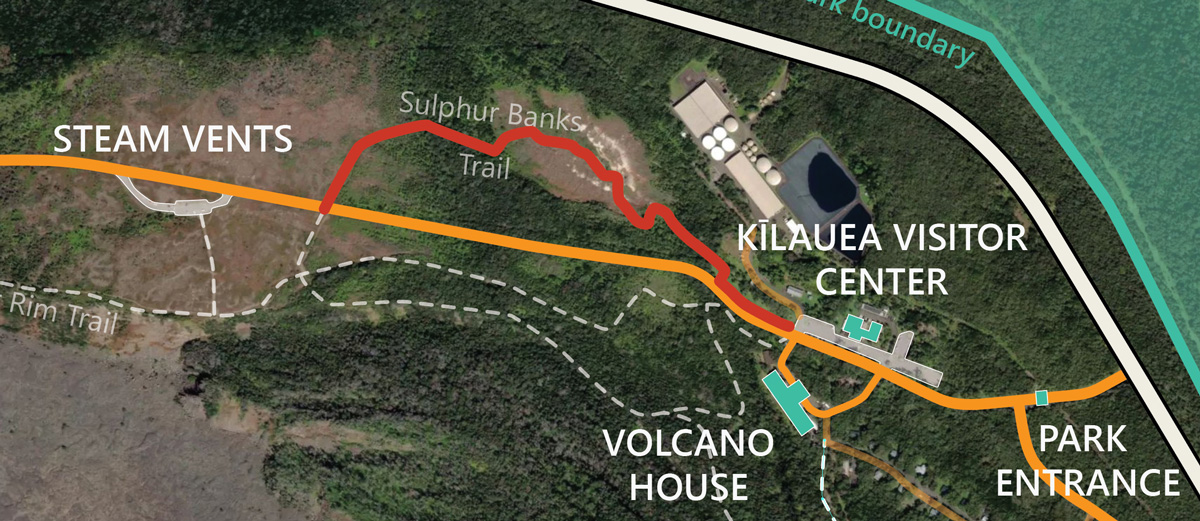
The Sulfur Banks trail is a short, easy hike in Hawaii Volcanoes National Park on the Big Island of Hawaii. Approximately 0.3 miles (0.5 km) the trail takes visitors through an active sulfuric steam vents area. The trail provides an up-close look at the yellow sulfur deposits and steam vents resulting from the area’s volcanic activity.
The easiest access to the Sulfur Banks trail is from the park’s visitor center, which is a great starting point for all your Hawaii Volcanoes National Park adventures.
Sulfur Banks trail offers an excellent opportunity to learn about volcanic activity and its environmental impact. This is a popular destination for hikers, nature lovers, and families and is suitable for all fitness levels.
Visitors are advised to wear sturdy shoes as the trail can be slippery. Visitors with heart or respiratory conditions (such as asthma), pregnant women, infants, or young children should avoid this walk due to the higher concentration of sulfur rich gases from the steam vents in the area.
About the sulfur vents
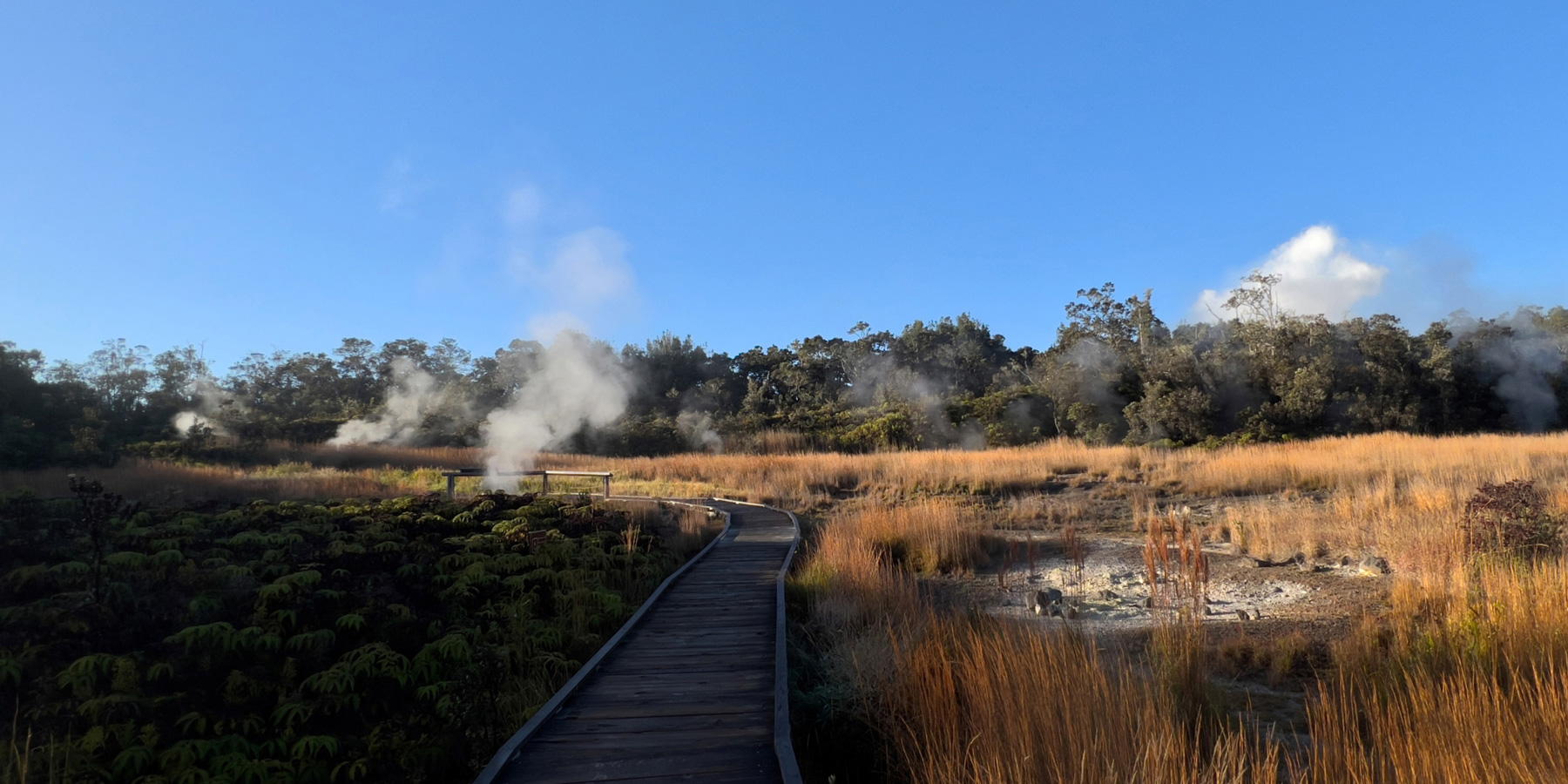
The sulfur vents at the Sulfur Banks trail are formed by volcanic activity in the area. When magma rises to the surface and comes in contact with groundwater, steam is produced. The steam rises through cracks in the Earth’s surface and carries dissolved sulfur and other minerals along with it. As the steam cools, the sulfur and minerals are deposited, forming the sulfur vents.
Over time, repeated steam eruptions can create mounds of sulfur deposits that can reach several feet in height. The deposits at the Sulfur Banks trail are a vibrant yellow color due to the high concentration of sulfur in the deposits.
Visitors to the Sulfur Banks trail can witness the ongoing process of sulfur deposition and learn about the geothermal activity that is happening in the area. The trail is a unique opportunity to see the impact of volcanic activity on the environment and to understand the geologic processes that have shaped the landscape of Hawaii Volcanoes National Park.
The vents at the Sulfur Banks trail have a significant impact on the surrounding rainforest. High levels of sulfur dioxide gas and acidic runoff from the vents create an inhospitable environment for many vegetation types. This creates a stark contrast between the lush green rainforest and the barren sulfur banks, creating a unique and visually striking landscape.
However, this inhospitable environment has also created a unique ecosystem that is home to a variety of specialized plant and animal species that are adapted to life in this harsh environment. Visitors to the Sulfur Banks trail can observe these adaptations and learn about the resilience of life in extreme environments.
Additionally, the sulfur vents provide an important source of nutrients for the surrounding rainforest, contributing to its overall health and productivity. The minerals deposited by the vents enrich the soil, allowing the rainforest to flourish. This interplay between the vents and the rainforest highlights the delicate balance between geologic activity and the environment and demonstrates the interconnectedness of the different systems in the park.
Overall, the Sulfur Banks trail offers a unique opportunity to observe the impact of volcanic activity on the surrounding environment and learn about life’s resilience and diversity in extreme conditions.
Birdwatching
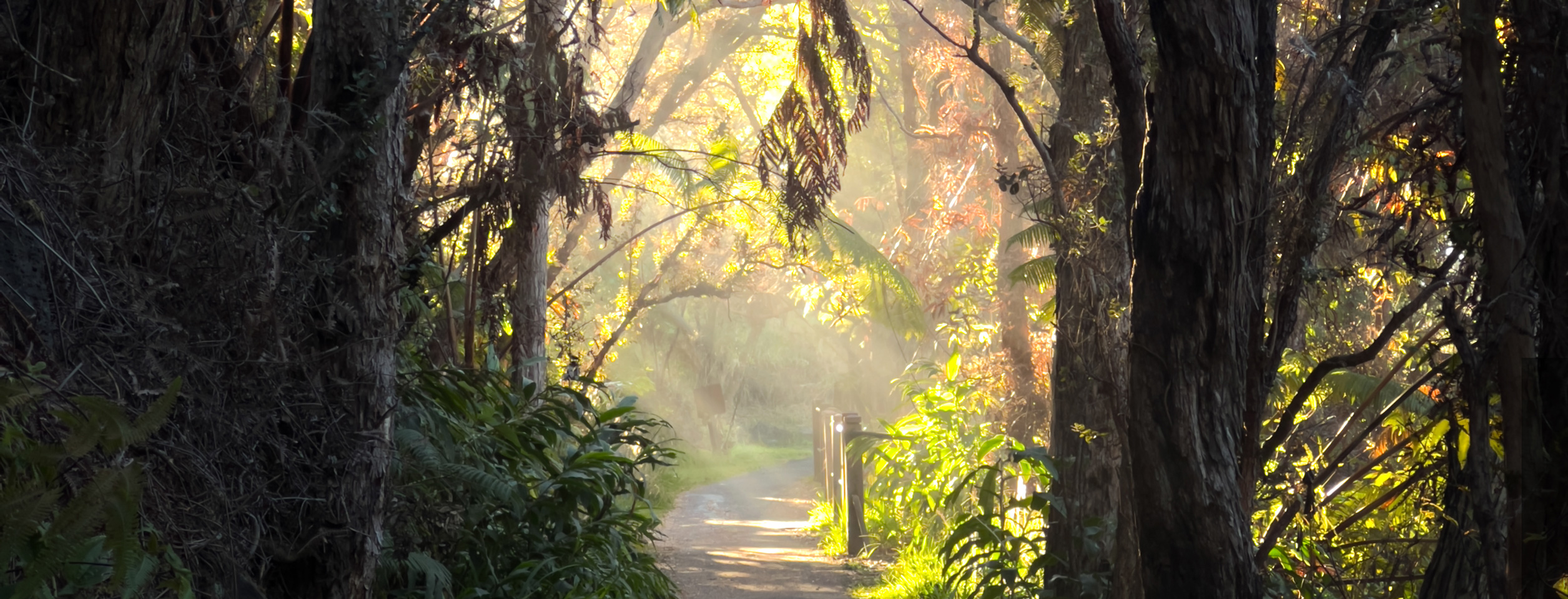
Bring your binoculars, as the rainforest surrounding the Sulfur Banks trail is home to a variety of endemic bird species that are found nowhere else in the world. These birds have evolved to adapt to the unique conditions of the Hawaiian islands and are a testament to the region’s biodiversity.
One of the most notable bird species found in the rainforest near the Sulfur Banks trail is the ‘Apapane, a brightly colored honeycreeper that is known for its distinctive red feathers and melodious song. Other endemic bird species found in the area include the ‘I’iwi, a bird with vibrant scarlet feathers, and the ‘Amakihi, a small green bird with a sweet, flute-like song.
In addition to these endemic birds, the rainforest near the Sulfur Banks trail is also home to various migratory bird species that visit the area during different times of the year. These birds, which often come from as far away as North America and Asia, add to the already rich diversity of bird life in the park.
Visitors to the Sulfur Banks trail who are interested in birdwatching can observe these birds in their natural habitat and learn about the adaptations that allow them to thrive in the unique environment of Hawaii Volcanoes National Park. Whether you are a seasoned birder or just enjoy the beauty of birds in their natural setting, the Sulfur Banks trail is a must-visit destination for bird enthusiasts.