Kilauea Iki Trail at a glance
- Kilauea Iki trail is a popular hike located in Hawaii Volcanoes National Park.
- The trail is 4 miles (6.4 km) round trip with a 400′ elevation change from the rim to the bottom of the Kilauea Iki Crater.
- The trail provides a unique opportunity to witness the aftermath of the 1959 Kilauea Iki eruption when lava fountains spouted up to 1,900 feet (580 meters) into the air.
- The trail takes hikers through solidified lava fields and steam vents, showcasing the beauty and power of volcanic activity.
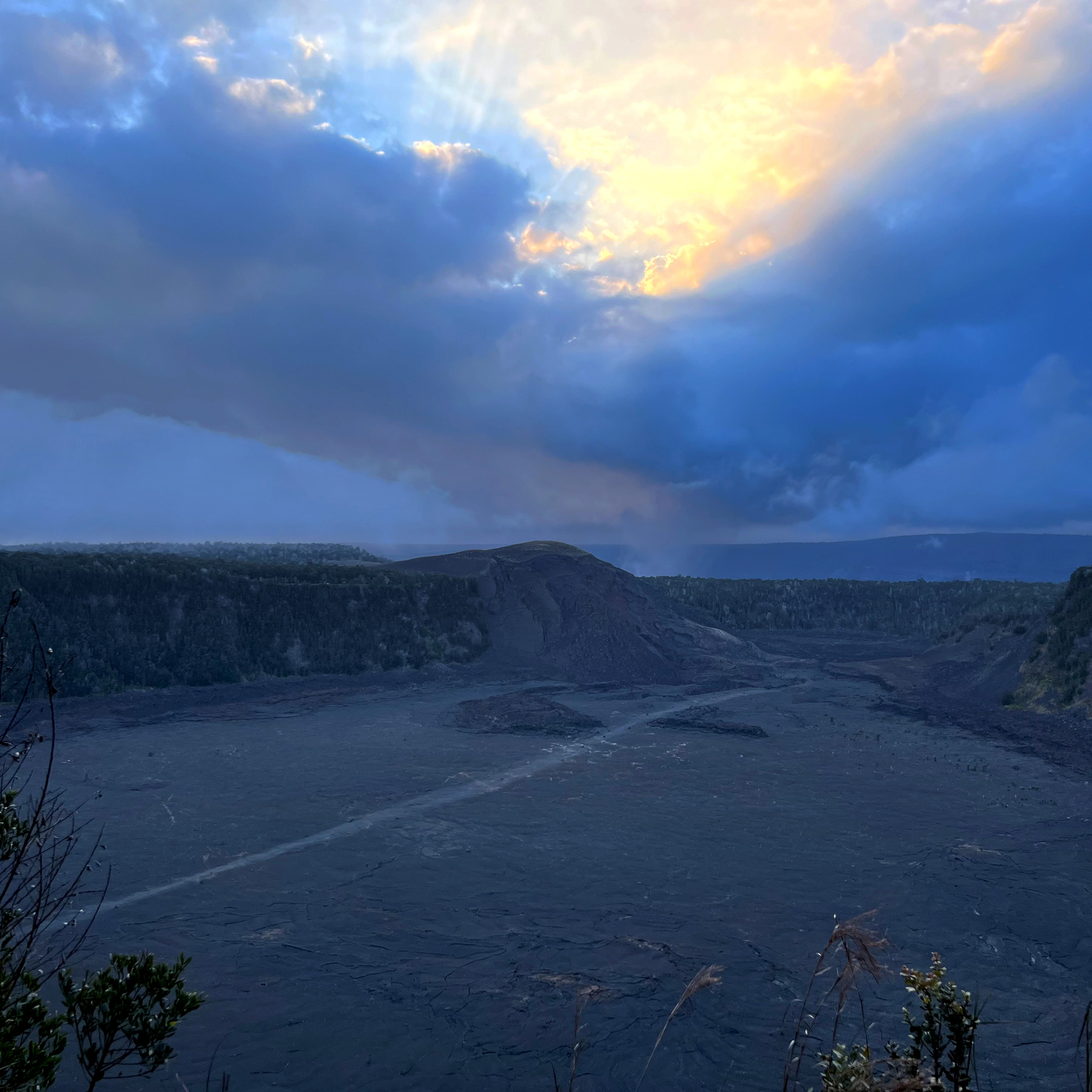
- The trail offers breathtaking views of the Kilauea Iki Crater and the surrounding landscape.
- The trail is a popular destination for hikers, nature lovers, and adventure seekers.
- The trail starts at the Kilauea Iki Overlook and descends 400 feet (122 meters) into the crater.
- Parking is available at the Kilauea Iki Overlook and is free for visitors with a national park pass.
- Visitors should come prepared for the hike with proper footwear, plenty of water, and snacks or a picnic lunch.
About Kilauea Iki Trail

The Kilauea Iki trail is a popular hiking trail located within Hawaii Volcanoes National Park. It is a 4-mile (6.4 km) round trip trail that leads visitors through a scenic and diverse landscape, offering breathtaking views of the Kilauea Iki crater and the large, solidified lava lake at its bottom.
The trail takes hikers down into the Kilauea Iki crater, where they can witness the aftermath of a volcanic eruption that occurred in 1959. Along the way, hikers can see steam vents, sulfur banks, and solidified lava flows, which provide a fascinating glimpse into the processes of volcanic activity.
The 1959 eruption of Kilauea Iki was a significant event in the history of Hawaii Volcanoes National Park. The eruption lasted for several months and produced a large lava lake reaching 1,000 feet (300 meters) above the crater floor. During the 1959 eruption of Kilauea Iki, the lava fountains were truly a sight to behold. They reached incredible heights, spouting lava up to 1,900 feet (580 meters) into the air. This was one of the highest lava fountains ever recorded, and the eruption produced a massive amount of lava that flowed across the landscape, covering thousands of acres and creating a new and unique landscape that can still be seen and explored today.
In addition to its geological significance, the Kilauea Iki trail also offers visitors the chance to experience the lush tropical rainforest that covers much of Hawaii. The trail passes through a dense forest of ferns, ohia trees, and other native Hawaiian vegetation and offers plenty of opportunities to spot local wildlife, including endemic bird species and even the Hawaiian hoary bat.
The Kilauea Iki trailhead is located along Crater Rim Drive, and a parking lot is available for visitors. Keep in mind that the parking lot can fill up quickly, especially during peak tourist season, so it’s a good idea to arrive early or plan your hike for the early morning or late afternoon.
The trail itself is of medium difficulty, with a gentle elevation drop of approximately 400 feet (120 meters). However, it’s important to note that the trail can be slippery and uneven in places, and proper footwear is recommended. Visitors should also bring plenty of water and snacks, as well as sun protection and rain gear, depending as weather can change quite quickly at the park’s altitude.
Overall, the Kilauea Iki trail is considered one of the best hiking trails in Hawaii Volcanoes National Park and is a must-visit destination for anyone looking to experience the natural beauty and diversity of this unique and special place.